Atopic Keratoconjunctivitis (AKC) is a severe chronic inflammatory eye disease, and is frequently associated with allergic (atopic) diseases like asthma, eczema and hay fever.
AKC occurs most commonly in people between 20 and 50 years of age.
Atopic Keratoconjunctivitis (AKC) is a severe chronic inflammatory eye disease, and is frequently associated with allergic (atopic) diseases like asthma, eczema and hay fever.
AKC occurs most commonly in people between 20 and 50 years of age.

AKC is typically caused by an overactive allergic reaction in the eyes, it often occurs alongside conditions like eczema or asthma. In people with AKC the body’s immune system becomes overly sensitive to everyday allergens – like dust or pollen – leading to long-term inflammation and irritation of the eyes.
Hallmark symptoms of AKC include severe itching, redness, and eye discomfort.
If AKC is not properly managed or treated, it can cause scarring or thinning of the cornea, which may lead to blurry vision or even permanent vision loss. It can also make the eyes more vulnerable to infections and chronic pain or discomfort.
Due to limited awareness, AKC is often misdiagnosed as other forms of allergic eye disease or less severe diseases that affect the surface of the eye, which can lead to delayed or improper treatment.
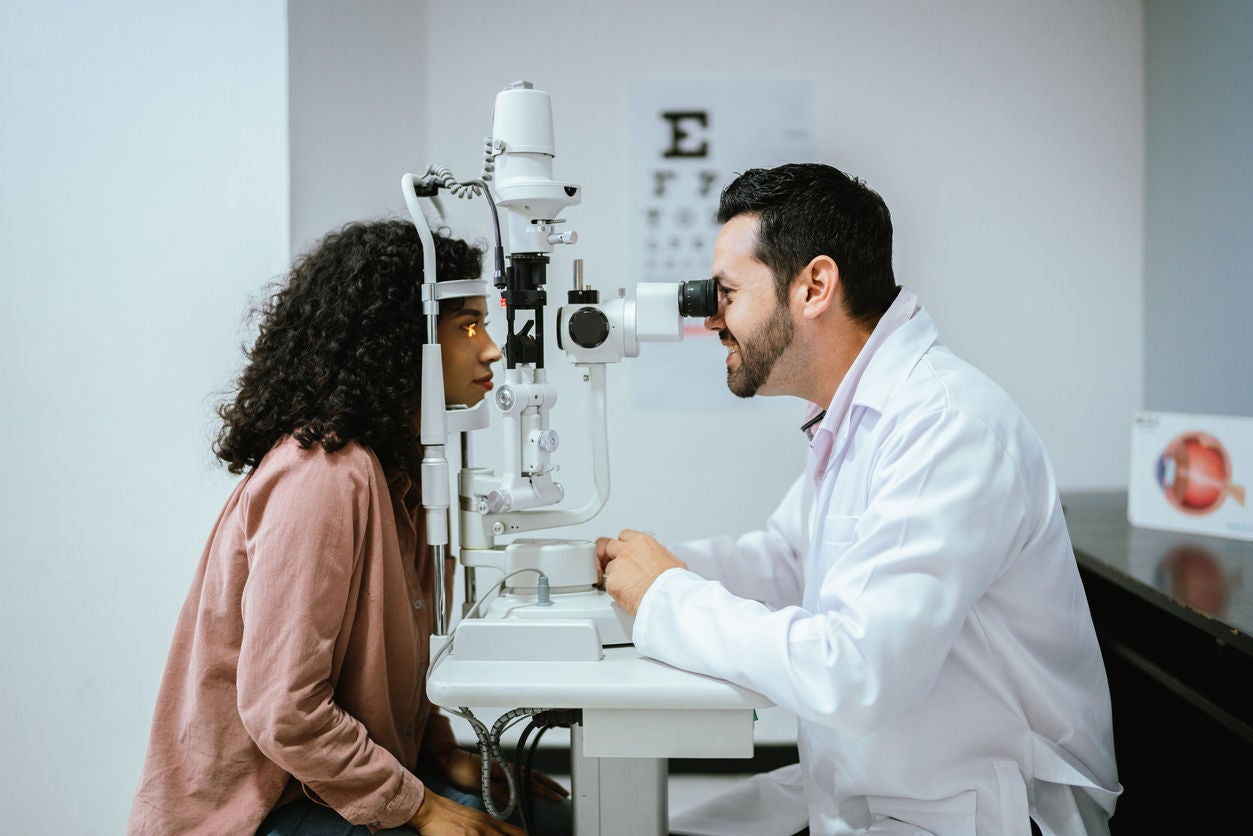
AKC is usually diagnosed by an eye doctor (ophthalmologist) who examines the eyes and reviews your allergy or eczema history. Sometimes an allergist or dermatologist may also be involved to help identify and manage the allergic triggers.
Currently, there are no FDA-approved therapies for AKC. In the absence of approved treatments, therapies such as topical antihistamines, corticosteroids, immunomodulators, and emerging biologics are used off-label. These therapies demonstrate variable efficacy in treating chronic disease and preventing relapses, and are limited by significant side effects.
The persistent and debilitating symptoms of AKC can significantly disrupt daily activities and lead to emotional distress, reducing overall quality of life. The risk of vision loss and infection makes proper diagnosis and treatment crucial.


© 2025 Dompé. All rights reserved.